
Squint (strabismus) is classified based on the direction in which the affected eye turns. Identifying the type of squint helps determine the most appropriate treatment approach.
One eye turns inward toward the nose. This is one of the most common types of squint, especially in young children.
One eye turns outward, away from the nose. It may occur occasionally or become constant over time.
One eye deviates upward, affecting eye coordination and binocular vision.
One eye turns downward, making it difficult for both eyes to work together effectively.
Squint may also be classified as intermittent, where the eye turns only occasionally, or constant, where the misalignment is present all the time and requires prompt medical evaluation.
Squint can develop due to problems affecting the eye muscles, nerves, or the brain’s ability to coordinate eye movements. Identifying the underlying cause helps determine the most effective treatment plan.
The symptoms of squint (strabismus) vary depending on the type and severity of the condition. Early diagnosis can help prevent long-term vision problems and improve treatment outcomes.
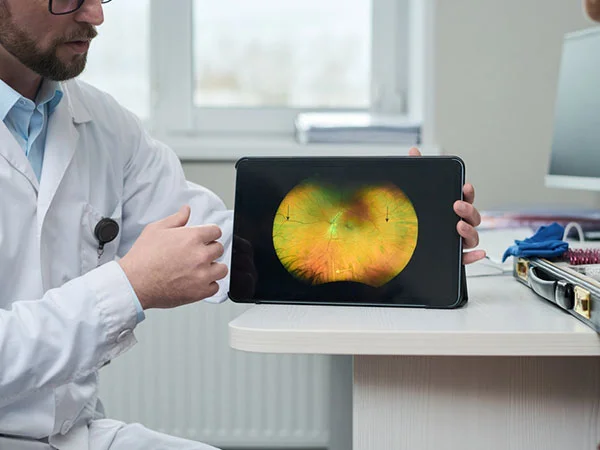
A comprehensive eye examination helps determine the type, severity, and underlying cause of squint, allowing your ophthalmologist to recommend the most appropriate treatment.
Measures the clarity of vision in each eye and detects refractive errors that may contribute to squint.
Evaluates eye alignment by observing how each eye moves when the opposite eye is covered.
Measures the degree of eye misalignment to assist in treatment planning and surgical decisions.
Examines the function of the eye muscles and their coordination during different eye movements.
Identifies refractive errors such as farsightedness, nearsightedness, or astigmatism that may affect eye alignment.
Evaluates how well both eyes work together to achieve proper depth perception and single vision.
Not all cases of squint require surgery. Depending on the cause and severity, several non-surgical treatment options can help improve eye alignment, strengthen vision, and prevent further complications.
Correct refractive errors such as farsightedness, reducing eye strain and improving alignment in many patients.
Patching the stronger eye encourages the weaker eye to work harder, helping treat lazy eye (amblyopia), particularly in children.
Customized eye exercises improve eye muscle coordination, focusing ability, and binocular vision.
Special prism lenses help reduce double vision by improving the way light enters the eyes and enhancing visual alignment.
In selected cases, Botox injections temporarily relax overactive eye muscles, helping improve eye alignment without surgery.
Managing conditions such as thyroid eye disease or neurological disorders may help improve squint caused by underlying medical problems.
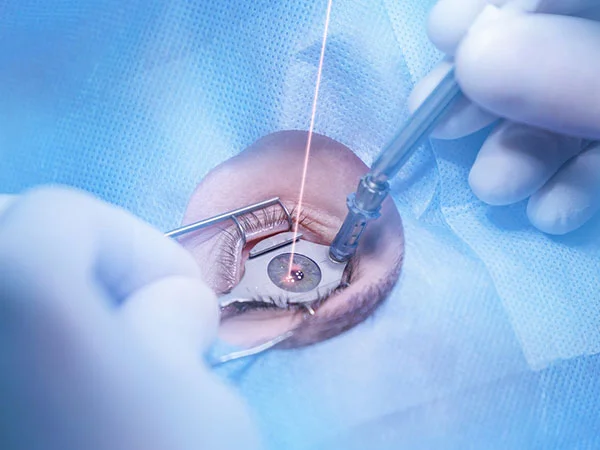
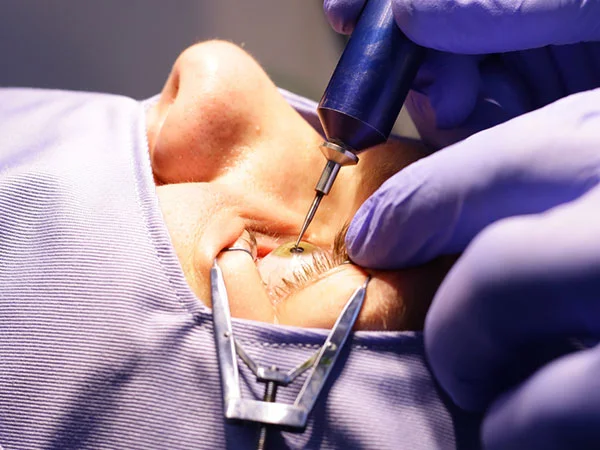
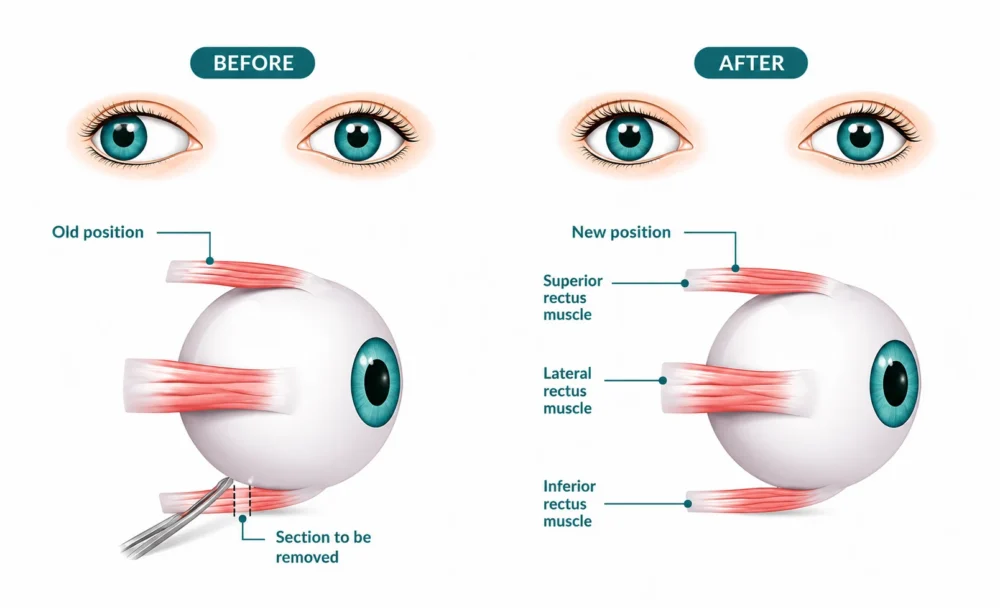
Squint surgery is recommended when glasses, vision therapy, or other non-surgical treatments do not provide adequate eye alignment. The procedure corrects the position of the eye muscles, helping both eyes work together while improving vision, depth perception, and cosmetic appearance.
At Retiora Eye Care, our experienced ophthalmic surgeons perform advanced squint surgery using modern microsurgical techniques. Most procedures are completed as day-care surgeries with minimal discomfort, allowing patients to return home the same day.
An overactive eye muscle is repositioned further back on the eye to reduce its pulling force and restore balanced alignment.
A weakened eye muscle is shortened to increase its strength, improving eye movement and coordination.
Depending on the type of squint, one or more eye muscles are carefully adjusted to achieve optimal alignment and binocular vision.
In suitable adult patients, adjustable sutures allow fine-tuning of eye alignment after surgery, improving surgical precision and outcomes.
Recovery after squint surgery is generally smooth, with most patients resuming normal daily activities within a few weeks. Although the eyes begin healing immediately, complete visual adaptation and binocular coordination may take several weeks to a few months, depending on the individual.
| Recovery Period | What to Expect |
|---|---|
| Immediately After Surgery | Mild discomfort, redness, watering of the eyes, and temporary blurred or double vision are common. Prescribed eye drops and medications help promote healing and prevent infection. |
| 1–2 Days | Eye alignment is reviewed during the first follow-up visit. Patients should avoid rubbing the eyes, swimming, heavy lifting, and prolonged screen time. |
| 1–2 Weeks | Redness and swelling gradually improve, while eye comfort increases. Most patients can return to school or office work based on their ophthalmologist’s advice. |
| 3–4 Weeks | Eye alignment continues to stabilize, and vision becomes more comfortable. Vision therapy or eye exercises may be recommended for selected patients. |
| 6–8 Weeks | Most patients achieve significant healing and can safely resume regular physical activities. Routine follow-up examinations help monitor eye alignment and vision. |
| After 3 Months | Final surgical results are usually achieved. In some patients, binocular vision continues to improve over the following months with ongoing follow-up and, when required, vision therapy. |
Proper post-operative care plays an important role in achieving the best surgical outcome. Following your ophthalmologist’s instructions helps promote faster healing, maintain eye alignment, and reduce the risk of complications.
Successful squint treatment requires accurate diagnosis, advanced surgical expertise, and personalized care. At Retiora Eye Care, our experienced ophthalmologists provide comprehensive evaluation and evidence-based treatment for both children and adults using the latest diagnostic and surgical techniques.
Squint surgery is a safe and commonly performed procedure with a high success rate when carried out by experienced ophthalmologists. However, like any surgical treatment, it carries certain risks. Understanding these potential complications helps patients make informed decisions and recognize when to seek medical attention.
Careful pre-operative evaluation, expert surgical care, and regular follow-up appointments significantly reduce the risk of complications and help achieve the best possible visual and cosmetic outcomes.
Squint can occur at any age, but its causes, treatment goals, and outcomes differ between children and adults. Early treatment in children helps develop normal vision, while treatment in adults focuses on improving eye alignment, relieving symptoms, and enhancing quality of life.
| Aspect | Children | Adults |
|---|---|---|
| Common Cause | Usually present from birth, developmental factors, or uncorrected refractive errors. | Often caused by injury, nerve disorders, thyroid eye disease, stroke, or untreated childhood squint. |
| Treatment Goal | Restore eye alignment, develop binocular vision, and prevent lazy eye (amblyopia). | Improve eye alignment, relieve double vision, and enhance visual comfort and appearance. |
| Visual Adaptation | The developing visual system adapts well when treated early. | Adaptation may take longer, especially if the squint developed later in life. |
| Treatment Options | Glasses, patching, vision therapy, and surgery depending on the condition. | Prism glasses, vision therapy, Botox injections, and squint surgery based on the underlying cause. |
| Recovery | Generally heals quickly with excellent long-term visual outcomes when treated early. | Recovery is usually smooth, though binocular vision may require additional rehabilitation in some cases. |
| Expected Outcome | High chance of achieving normal eye alignment and healthy visual development. | Significant improvement in eye alignment, appearance, and quality of life, with reduced double vision in many patients. |
Note: Treatment outcomes depend on the type of squint, the patient’s age, the duration of the condition, and timely intervention. A comprehensive evaluation by an experienced ophthalmologist helps determine the most appropriate treatment plan.
Although not every case of squint can be prevented, early detection and timely treatment significantly improve visual development and reduce the risk of permanent vision problems. Regular eye examinations are especially important for young children and individuals at higher risk.
Squint (strabismus) is a treatable eye condition that can affect vision, depth perception, and overall quality of life. Whether it develops during childhood or adulthood, early diagnosis and appropriate treatment are essential for achieving the best possible outcomes.
At Retiora Eye Care, we provide comprehensive squint evaluation, advanced diagnostic technology, personalized non-surgical treatments, and modern eye muscle surgery for patients of all ages. Our goal is to restore proper eye alignment, improve visual function, and help you enjoy clearer, more comfortable vision with confidence.