What Are the Types of Diabetic Retinopathy?
Diabetic retinopathy is classified into two main stages based on the severity of retinal damage. Early diagnosis and timely treatment can help prevent the condition from progressing and reduce the risk of permanent vision loss.
-
Non-Proliferative Diabetic Retinopathy (NPDR):
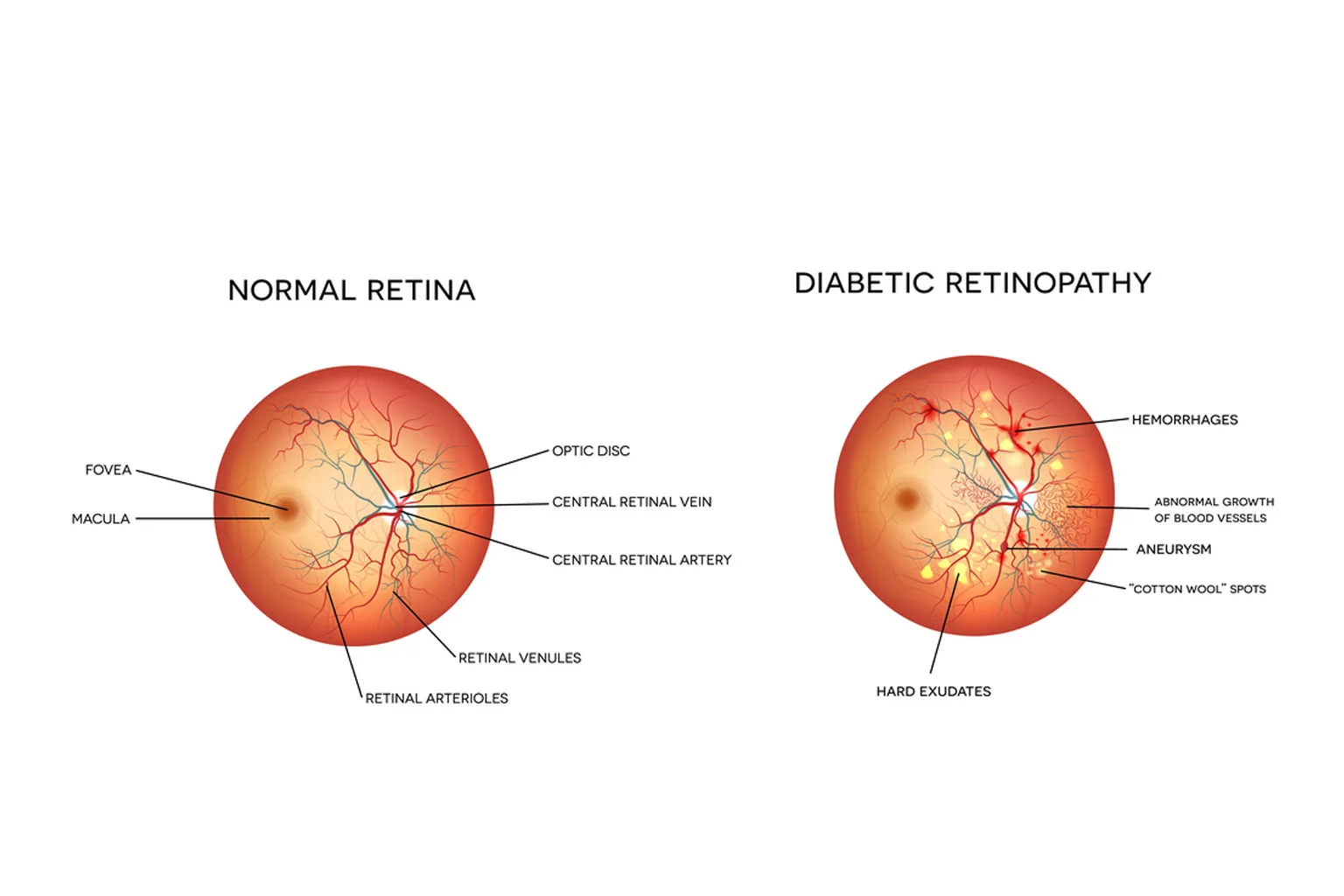
NPDR is the early stage of diabetic retinopathy. The tiny blood vessels in the retina become weak and may leak blood or fluid, leading to retinal swelling. In some cases, fluid accumulates in the macula (Diabetic Macular Edema), causing blurred central vision. Without proper diabetes management, the disease can progress over time.
-
Proliferative Diabetic Retinopathy (PDR):
PDR is the advanced stage, where abnormal new blood vessels grow on the retina. These fragile vessels can bleed into the eye, causing sudden vision loss. Scar tissue may also develop, increasing the risk of retinal detachment and permanent blindness if left untreated.
Regular diabetic eye examinations are essential to detect diabetic retinopathy early. At Retiora Eye Care, our retina specialists use advanced imaging and personalized treatment plans to protect your vision and prevent disease progression.
How Is Diabetic Retinopathy Diagnosed?
Early diagnosis is essential to prevent vision loss caused by diabetic retinopathy. At Retiora Eye Care, our retina specialists use advanced diagnostic technology to detect retinal damage, monitor disease progression, and recommend the most effective treatment plan.
- Dilated Eye Examination: Eye drops are used to widen the pupils, allowing a detailed examination of the retina for bleeding, swelling, or abnormal blood vessels.
- Visual Acuity Test: Measures the sharpness of your vision and identifies any loss of central vision caused by diabetic retinal damage.
- Optical Coherence Tomography (OCT): A painless, high-resolution scan that detects retinal swelling (macular edema) and provides detailed cross-sectional images of the retina.
- Fundus Photography: Captures detailed retinal images to document diabetic changes and monitor disease progression over time.
- Fluorescein Angiography: A special dye test used to identify leaking blood vessels, poor blood flow, and abnormal new vessel growth in advanced cases.
- Tonometry: Measures eye pressure to check for glaucoma, a condition that is more common in people with diabetes.
- Visual Field Test: Evaluates peripheral vision and helps detect vision loss caused by retinal or optic nerve damage.
Regular diabetic eye screenings help detect problems before symptoms appear, allowing timely treatment and better long-term vision preservation.
How to Prepare for Diabetic Retinopathy Treatment?
Preparation depends on the type of treatment recommended by your retina specialist. Following your doctor’s instructions before the procedure helps ensure a safe treatment and smooth recovery.
Before Laser Treatment
- Arrange for someone to accompany you, as your vision may be temporarily blurred after the procedure.
- Inform your doctor about all medications and existing medical conditions.
- Take your diabetes medications as advised and keep your blood sugar under good control.
- Follow any additional instructions provided by your eye specialist.
Before Vitrectomy Surgery
- Complete all recommended blood tests and pre-operative evaluations.
- Inform your surgeon if you are taking blood thinners or other regular medications.
- Follow fasting instructions if surgery is planned under anesthesia.
- Wear comfortable clothing and avoid eye makeup or contact lenses on the day of surgery.
- Carry your medical records, diabetes medications, and arrange transportation home after the procedure.
What Are the Treatment Options for Diabetic Retinopathy?
The treatment for diabetic retinopathy depends on the stage of the disease and the extent of retinal damage. At Retiora Eye Care, our retina specialists offer advanced, evidence-based treatments to preserve vision and prevent further complications.
Surgical & Advanced Treatment Options
-
Intravitreal Anti-VEGF Injections: Medicines are injected into the eye to reduce retinal swelling, stop abnormal blood vessel growth, and improve or stabilize vision in diabetic macular edema and advanced diabetic retinopathy.
-
Laser Photocoagulation: A precise laser is used to seal leaking blood vessels and reduce retinal swelling, helping prevent further vision loss.
-
Panretinal Photocoagulation (PRP): PRP laser treatment is recommended for proliferative diabetic retinopathy to shrink abnormal blood vessels and reduce the risk of severe bleeding and retinal complications.
-
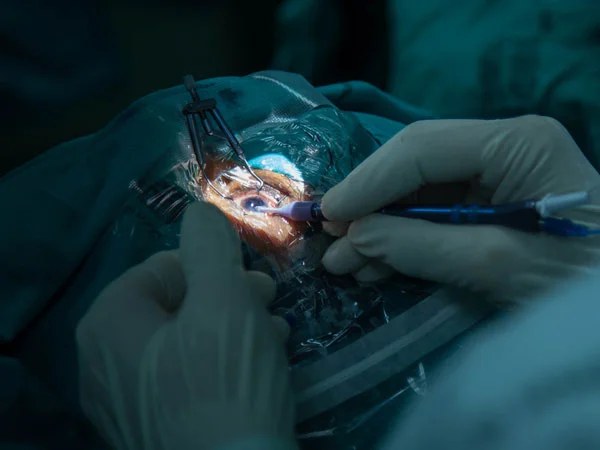
Vitrectomy Surgery: This advanced vitreoretinal procedure removes blood, scar tissue, and the vitreous gel from the eye. It is recommended for severe bleeding, tractional retinal detachment, or advanced diabetic retinopathy that cannot be managed with laser or injections alone.
Early diagnosis and timely treatment significantly improve the chances of preserving vision. Your retina specialist will recommend the most appropriate treatment based on your eye condition and overall health.
Non-Surgical Treatment Options
In the early stages of diabetic retinopathy, non-surgical treatments and proper diabetes management can help slow disease progression and reduce the risk of vision loss. Your retina specialist will recommend a personalized treatment plan based on your condition.
- Blood Sugar Control: Maintaining healthy blood sugar levels is the most important step in slowing the progression of diabetic retinopathy.
- Blood Pressure & Cholesterol Management: Keeping blood pressure and cholesterol under control helps protect the retinal blood vessels.
- Intravitreal Injections: Anti-VEGF or steroid injections may be recommended to reduce retinal swelling (diabetic macular edema) and prevent abnormal blood vessel growth.
- Healthy Lifestyle: A balanced diet, regular exercise, weight management, and quitting smoking support better eye and overall health.
- Regular Eye Examinations: Routine diabetic retinal screening helps detect changes early and allows timely treatment before significant vision loss occurs.
Combining medical treatment with good diabetes control and regular follow-up visits offers the best chance of preserving vision and preventing complications.
What Are the Benefits of Early Treatment for Diabetic Retinopathy?
Early diagnosis and timely treatment can significantly reduce the risk of vision loss and improve long-term eye health. Regular diabetic eye screenings allow retinal problems to be detected before they become severe.
- Preserves Vision: Early treatment helps protect your eyesight and slows the progression of diabetic retinopathy.
- Prevents Serious Complications: Reduces the risk of diabetic macular edema, retinal bleeding, retinal detachment, and permanent vision loss.
- Less Invasive Treatment: Treating the condition early often minimizes the need for complex surgeries and extensive procedures.
- Improved Quality of Life: Maintaining healthy vision allows you to continue daily activities with greater confidence and independence.
- Better Long-Term Outcomes: Combined with good diabetes control and regular follow-ups, early treatment offers the best chance of preserving vision for years to come.
How to Prepare for Diabetic Retinopathy Surgery?
Proper preparation helps ensure a safe procedure and a smooth recovery. Your retina specialist will provide personalized instructions based on your eye condition and overall health.
- Attend a Pre-Surgery Consultation: Discuss the procedure, expected outcomes, and any concerns with your retina specialist.
- Control Blood Sugar Levels: Maintain stable blood glucose levels before surgery to support better healing and reduce complications.
- Review Your Medications: Inform your doctor about all medications, especially blood thinners, as some may need temporary adjustment.
- Follow Fasting Instructions: If surgery requires anesthesia, avoid eating or drinking as directed by your doctor.
- Arrange Transportation: Plan for someone to accompany you, as you may not be able to drive after the procedure.
- Carry Medical Records: Bring your previous eye reports, diabetes medications, and any relevant medical documents on the day of surgery.
Recovery Tips After Diabetic Retinopathy Treatment
Following your retina specialist’s instructions after treatment is essential for proper healing and preserving your vision. These simple precautions can help ensure a smooth recovery.
- Use Medications as Prescribed: Apply eye drops and take medications exactly as directed to prevent infection and reduce inflammation.
- Avoid Rubbing Your Eyes: Protect your eyes from irritation or injury while they heal.
- Limit Strenuous Activities: Avoid heavy lifting, bending, and vigorous exercise until your doctor advises it is safe.
- Maintain Good Blood Sugar Control: Stable blood sugar levels promote faster healing and reduce the risk of further retinal damage.
- Wear Sunglasses Outdoors: Protect your eyes from bright sunlight, dust, and UV rays during recovery.
- Attend Follow-up Visits: Regular check-ups allow your retina specialist to monitor healing and ensure the treatment is working effectively.
- Report Any Warning Signs: Contact your doctor immediately if you experience severe pain, sudden vision loss, increasing floaters, flashes of light, or redness.
What Are the Possible Complications of Diabetic Retinopathy Treatment?
Diabetic retinopathy treatments are generally safe and highly effective. However, like any medical procedure, they may carry a small risk of temporary side effects or complications. Your retina specialist will discuss these risks before treatment.
- Temporary Blurred Vision: Mild blurring or visual fluctuations may occur for a short period after treatment.
- Eye Discomfort: Mild pain, irritation, redness, or watering of the eye usually settles within a few days.
- Increased Eye Pressure: Some injections or procedures may temporarily raise eye pressure, which can be monitored and treated if required.
- Infection: Although rare, any invasive eye procedure carries a small risk of infection that requires immediate medical attention.
- Retinal Bleeding or Scarring: In advanced cases, minor bleeding or scar tissue formation may occur and may require additional treatment.
- Need for Repeat Treatment: Diabetic retinopathy is a progressive condition, and some patients may require ongoing injections, laser sessions, or follow-up procedures.
What Happens If Diabetic Retinopathy Is Left Untreated?
Without timely diagnosis and treatment, diabetic retinopathy can progressively damage the retina and lead to irreversible vision loss. Regular eye examinations and early intervention are essential to prevent serious complications.
- Progressive Vision Loss: Retinal damage worsens over time, causing increasing blurred vision and reduced visual clarity.
- Diabetic Macular Edema (DME): Fluid leakage into the macula causes swelling, leading to blurred central vision and difficulty reading or recognizing faces.
- Proliferative Diabetic Retinopathy (PDR): Abnormal new blood vessels develop on the retina, increasing the risk of bleeding and permanent retinal damage.
- Vitreous Hemorrhage: Bleeding into the vitreous gel can cause sudden floaters, cloudy vision, or significant vision loss.
- Retinal Detachment: Scar tissue may pull the retina away from the back of the eye, requiring urgent vitreoretinal surgery.
- Glaucoma and Permanent Blindness: Advanced untreated diabetic retinopathy can increase eye pressure, damage the optic nerve, and eventually lead to irreversible blindness.