Who Is a Good Candidate for Implantable Collamer Lens (ICL) Surgery?
ICL surgery is an excellent vision correction option for individuals with moderate to high refractive errors who may not be suitable candidates for laser eye surgery. A comprehensive eye examination helps determine whether the procedure is safe and appropriate for your eyes.
Who Can Benefit from ICL Surgery?
- High Refractive Errors: Suitable for patients with moderate to high myopia, hyperopia, or astigmatism that cannot be effectively treated with laser procedures.
- Thin Corneas: Ideal for individuals with thin corneas who are not eligible for LASIK or other corneal laser surgeries.
- Stable Vision: Candidates should have a stable glasses or contact lens prescription for at least one year.
- Healthy Eyes: Patients should have healthy corneas, adequate anterior chamber depth, and no significant eye diseases.
Who Should Avoid ICL Surgery?
- Active Eye Infection or Inflammation: Conditions such as uveitis or eye infections should be treated before considering surgery.
- Glaucoma or Advanced Eye Disease: Patients with uncontrolled glaucoma or certain retinal disorders may not be suitable candidates.
- Corneal or Lens Abnormalities: Severe corneal disorders or cataracts may require alternative treatment options.
- Pregnancy or Breastfeeding: Hormonal changes during pregnancy and lactation can temporarily affect vision and eye measurements.
Types of Implantable Collamer Lens (ICL) Surgery
Implantable Collamer Lens (ICL) surgery is available in different lens designs to correct various refractive errors. The type of ICL recommended depends on your eye measurements, prescription, and overall eye health. Your ophthalmologist will determine the most suitable lens after a detailed eye examination.
Myopic ICL
This type of ICL is designed to correct moderate to high myopia (nearsightedness), with or without astigmatism. It is an excellent option for patients who are not suitable candidates for LASIK due to high power or thin corneas. The lens is implanted behind the iris without removing the natural lens, providing sharp, high-quality vision.
Toric ICL
Toric ICL is specially designed for patients who have astigmatism along with myopia. In addition to correcting refractive power, it also aligns with the eye to correct the irregular curvature of the cornea, delivering clearer and more stable vision while reducing dependence on glasses or contact lenses.
Diagnostic Tests Before Implantable Collamer Lens (ICL) Surgery
A thorough eye evaluation is essential before Implantable Collamer Lens (ICL) surgery to determine whether you are a suitable candidate. These advanced diagnostic tests help your ophthalmologist assess your eye health, calculate the correct ICL power and size, and ensure safe, accurate, and long-lasting vision correction.
- Visual Acuity & Refraction: Measures the clarity of your vision and determines the exact refractive error that needs correction.
- Corneal Topography: Creates a detailed map of the cornea to evaluate its shape and detect any irregularities.
- Pachymetry: Measures corneal thickness to assess overall corneal health and suitability for the procedure.
- Anterior Chamber Depth Measurement: Determines whether there is adequate space inside the eye to safely implant the Collamer lens.
- Endothelial Cell Count: Evaluates the health of the corneal endothelial cells, which are essential for maintaining a clear cornea after surgery.
- Slit-Lamp Examination: Examines the front structures of the eye, including the cornea, iris, and natural lens.
- Intraocular Pressure (Tonometry): Measures eye pressure to screen for glaucoma or other ocular conditions.
- Dilated Retinal Examination: Allows the ophthalmologist to examine the retina and optic nerve to identify any underlying retinal diseases before surgery.
Pre-ICL Evaluation Summary
| Diagnostic Test |
Purpose |
| Visual Acuity & Refraction |
Determine the exact refractive error and visual clarity. |
| Corneal Topography |
Evaluate corneal shape and detect irregularities. |
| Pachymetry |
Measure corneal thickness and overall corneal health. |
| Anterior Chamber Depth |
Ensure sufficient space for safe ICL implantation. |
| Endothelial Cell Count |
Assess corneal endothelial cell health. |
| Tonometry |
Measure intraocular pressure and screen for glaucoma. |
| Dilated Retina Examination |
Identify retinal conditions that require treatment before surgery. |
How to Prepare for Implantable Collamer Lens (ICL) Surgery
Proper preparation plays an important role in ensuring a safe ICL procedure and a smooth recovery. Your ophthalmologist will provide personalized instructions based on your eye condition and overall health before the surgery.
- Attend Your Pre-Operative Evaluation: Complete all recommended eye examinations and diagnostic tests to confirm your suitability for ICL surgery.
- Share Your Medical History: Inform your ophthalmologist about any existing medical conditions, allergies, medications, or previous eye surgeries.
- Stop Wearing Contact Lenses: You may be advised to discontinue contact lens use for a few days or weeks before surgery to obtain accurate eye measurements.
- Avoid Eye Makeup: Do not use eye makeup, lotions, perfumes, or creams around the eyes on the day of surgery.
- Arrange Transportation: Since your vision may be temporarily blurred after the procedure, arrange for someone to drive you home.
- Follow Medication Instructions: Use any prescribed eye drops or medications exactly as directed before surgery.
- Wear Comfortable Clothing: Choose loose, comfortable clothing and avoid accessories that may interfere with the procedure.
- Plan for Recovery: Take a day or two off from work and avoid strenuous activities during the initial recovery period.
Why Choose Retiora Eye Care for ICL Surgery?
At Retiora Eye Care, we provide advanced Implantable Collamer Lens (ICL) surgery using modern diagnostic technology and personalized treatment planning. Our experienced refractive surgeons carefully evaluate each patient’s eye condition to recommend the most suitable vision correction option, ensuring safe, precise, and long-lasting results.
From comprehensive pre-operative assessments to post-operative follow-up care, our team is committed to delivering exceptional clinical outcomes and a comfortable patient experience. With advanced technology, individualized care, and a patient-first approach, Retiora Eye Care strives to help you achieve clear vision with confidence.
Why Patients Choose Retiora
- Experienced Refractive Surgeons: Skilled ophthalmologists specializing in advanced vision correction procedures.
- Advanced Diagnostic Technology: Comprehensive eye evaluations for accurate lens selection and treatment planning.
- Personalized ICL Treatment: Customized solutions based on your eye measurements, lifestyle, and visual needs.
- Premium Implant Technology: High-quality Implantable Collamer Lenses for excellent visual outcomes and long-term safety.
- Comprehensive Patient Care: Dedicated support before, during, and after surgery for a smooth recovery.
- Commitment to Safety: International treatment protocols with a strong focus on patient comfort and successful outcomes.
What Happens During Implantable Collamer Lens (ICL) Surgery?
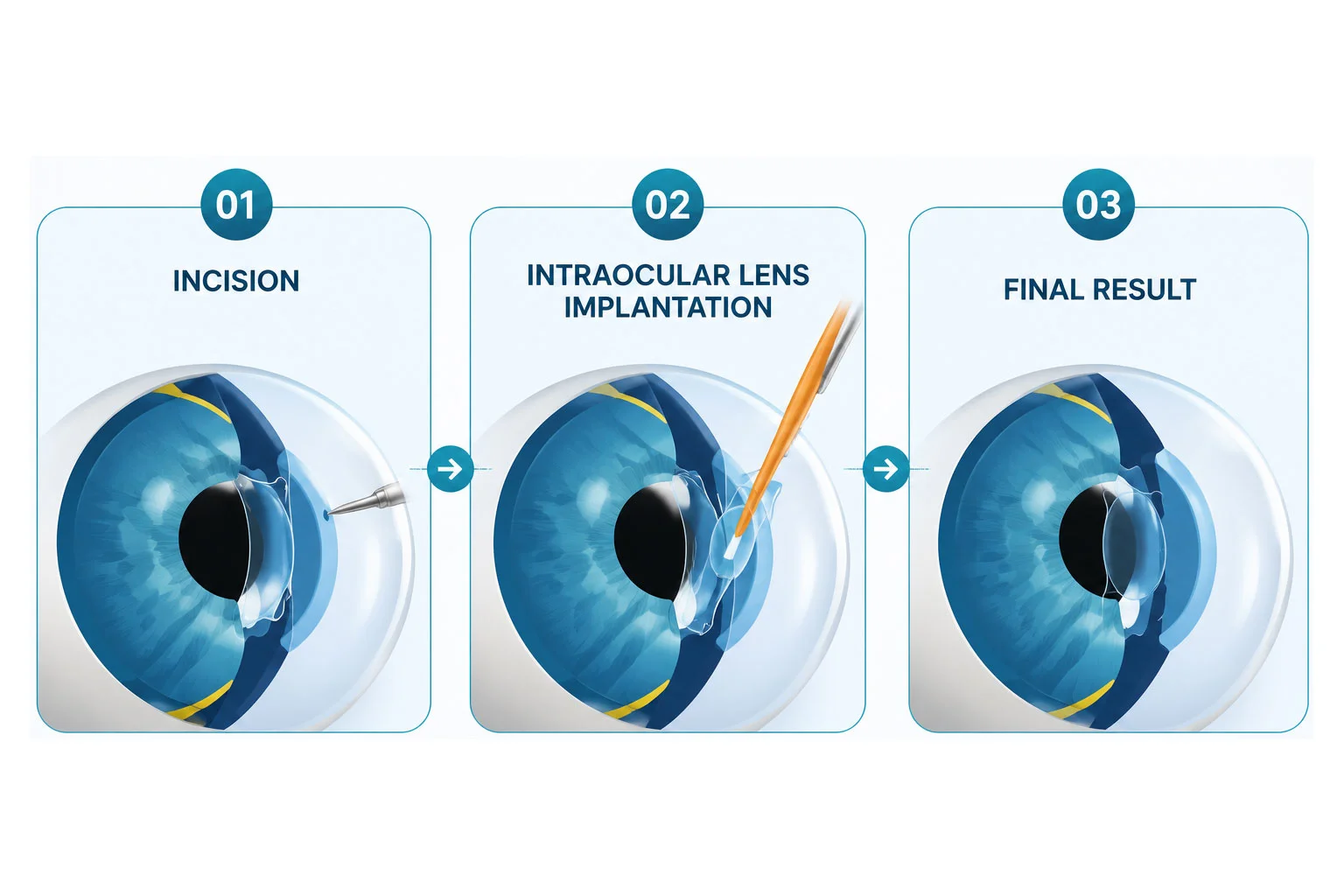
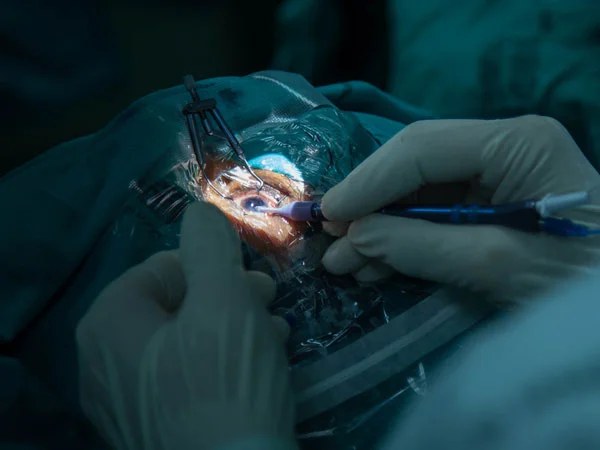
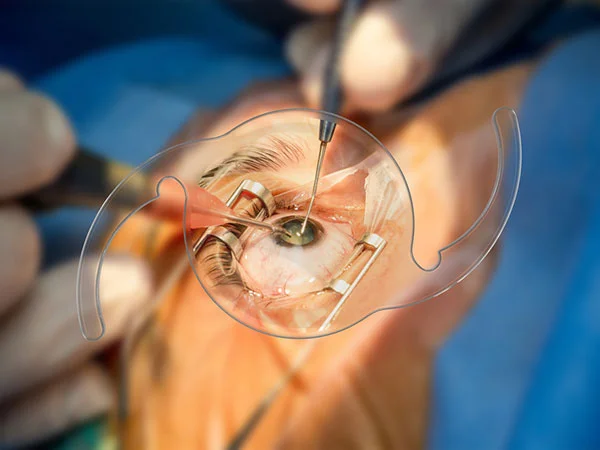
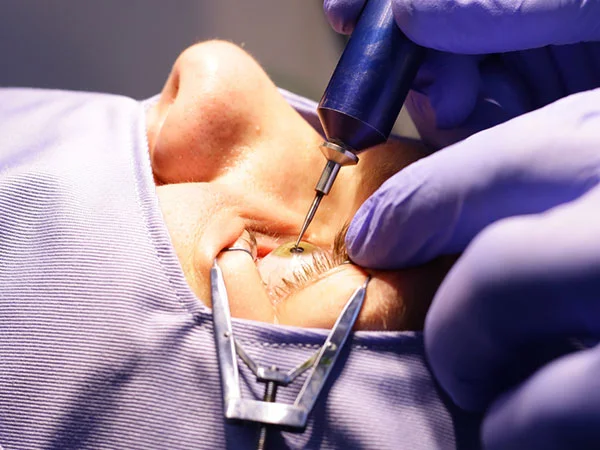
ICL surgery is a minimally invasive vision correction procedure that typically takes 20–30 minutes for both eyes. The surgery is performed under local anesthesia using numbing eye drops, allowing patients to remain comfortable throughout the procedure.
-
Eye Preparation: Numbing eye drops are applied, and the eye is gently stabilized to ensure a comfortable and precise procedure.
-
Small Corneal Incision: The surgeon creates a tiny self-sealing incision at the edge of the cornea to insert the Implantable Collamer Lens.
-
ICL Implantation: The folded Collamer lens is carefully inserted through the small incision and positioned behind the iris, in front of the eye’s natural lens.
-
Lens Positioning: The surgeon precisely aligns the lens to provide optimal vision correction. Once positioned, the lens unfolds naturally and remains securely in place.
-
Completion & Recovery: The incision is self-sealing and usually does not require stitches. Protective eye drops are applied, and patients can return home shortly after the procedure.
Benefits of Implantable Collamer Lens (ICL) Surgery
Implantable Collamer Lens (ICL) surgery offers an advanced, long-term solution for correcting moderate to high refractive errors without reshaping the cornea. It is an excellent alternative for patients who are not suitable candidates for laser vision correction procedures such as LASIK or PRK.
- Preserves the Cornea: ICL surgery does not remove or reshape corneal tissue, helping maintain the natural structure and strength of the eye.
- Corrects High Refractive Errors: Effectively treats moderate to high myopia, hyperopia, and astigmatism with excellent visual outcomes.
- Reversible Procedure: The Collamer lens can be removed or replaced if required, making the procedure reversible.
- Fast Visual Recovery: Most patients notice significant vision improvement within a few days and return to normal activities quickly.
- Excellent Visual Quality: Provides sharp, high-definition vision with improved contrast sensitivity and reduced dependence on glasses or contact lenses.
- Suitable for Thin Corneas: An ideal option for patients who are not eligible for LASIK because of thin corneas or high refractive errors.
- Built-in UV Protection: Modern Collamer lenses contain UV-blocking properties that help protect the eyes from harmful ultraviolet rays.
- Long-Lasting Results: Delivers stable, predictable vision correction with durable long-term performance.
Benefits at a Glance
| Benefit |
Advantage |
| Cornea Preserved |
No corneal tissue is removed during the procedure. |
| High Power Correction |
Suitable for moderate to high refractive errors. |
| Reversible |
The implanted lens can be removed or replaced if required. |
| Quick Recovery |
Most patients resume daily activities within a few days. |
| UV Protection |
Collamer lenses provide built-in ultraviolet protection. |
| Long-Term Results |
Provides stable, predictable vision correction for many years. |
Recovery After Implantable Collamer Lens (ICL) Surgery
Most patients experience improved vision within a few days after ICL surgery, although complete healing may take several weeks. Following your ophthalmologist’s post-operative instructions is essential to ensure proper healing, reduce the risk of complications, and achieve the best visual outcome.
What You Should Do
- Use Prescribed Eye Drops: Apply all medications exactly as instructed to prevent infection and support healing.
- Protect Your Eyes: Wear UV-protective sunglasses outdoors to reduce light sensitivity and shield your eyes from dust and bright sunlight.
- Get Adequate Rest: Allow your eyes sufficient time to heal by avoiding unnecessary strain during the first few days.
- Sleep Carefully: Avoid putting pressure on the operated eye while sleeping and follow your surgeon’s recommendations.
- Attend Follow-up Visits: Regular check-ups help monitor healing and ensure the implanted lens remains correctly positioned.
What You Should Avoid
- Do Not Rub Your Eyes: Rubbing the eyes can interfere with healing and increase the risk of complications.
- Avoid Swimming: Stay away from swimming pools, hot tubs, and contaminated water until your doctor confirms it is safe.
- Avoid Heavy Exercise: Refrain from strenuous activities, heavy lifting, or bending over for the recommended recovery period.
- Do Not Wear Eye Makeup: Avoid eye cosmetics until your ophthalmologist advises that it is safe to resume.
When Should You See a Doctor After ICL Surgery?
While most patients recover smoothly after Implantable Collamer Lens (ICL) surgery, certain symptoms may indicate a complication that requires immediate medical attention. Contact your ophthalmologist promptly if you experience any of the following:
- Severe Eye Pain: Persistent or worsening pain that does not improve with prescribed medication may indicate increased eye pressure or infection.
- Excessive Redness or Swelling: Significant redness, swelling, or irritation that worsens instead of improving should be evaluated immediately.
- Sudden Vision Changes: Sudden blurring, reduced vision, flashes of light, floaters, or loss of vision require urgent examination.
- Eye Discharge: Yellow, green, or excessive discharge from the eye may be a sign of an infection requiring prompt treatment.
- Persistent Nausea or Vomiting: Severe nausea accompanied by eye pain or blurred vision may indicate elevated eye pressure and should not be ignored.
- Light Sensitivity That Worsens: Increasing sensitivity to light or persistent discomfort beyond the expected recovery period should be assessed by your doctor.
Early diagnosis and timely treatment of post-operative complications help protect your vision and ensure the best possible outcome after ICL surgery.
Implantable Collamer Lens (ICL) vs LASIK Surgery
Implantable Collamer Lens (ICL) surgery and LASIK are both highly effective procedures for correcting refractive errors such as myopia, hyperopia, and astigmatism. However, they differ in their treatment approach, suitability, recovery, and long-term benefits. The ideal procedure depends on your eye health, prescription, corneal thickness, and lifestyle.
| Feature |
ICL Surgery |
LASIK Surgery |
| Procedure |
A Collamer lens is implanted inside the eye without reshaping the cornea. |
An excimer laser reshapes the cornea to correct refractive errors. |
| Best For |
High myopia, thin corneas, or patients unsuitable for LASIK. |
Mild to moderate refractive errors with healthy corneas. |
| Corneal Tissue |
Cornea remains untouched. |
Requires permanent reshaping of the cornea. |
| Reversibility |
Lens can be removed or replaced if required. |
Permanent procedure and generally not reversible. |
| Dry Eye Risk |
Lower risk of post-operative dry eyes. |
Higher likelihood of temporary dry eye symptoms. |
| Recovery |
Most patients recover within a few days. |
Rapid recovery, often within 24–48 hours. |
| High Power Correction |
Excellent option for very high refractive errors. |
May not be suitable for very high prescriptions. |
| Long-Term Results |
Stable vision with the option to remove or replace the lens. |
Excellent long-term vision correction for eligible patients. |
Risks & Complications of Implantable Collamer Lens (ICL) Surgery
Implantable Collamer Lens (ICL) surgery is a safe and highly successful vision correction procedure with excellent long-term outcomes. However, like any eye surgery, it carries certain risks and potential complications. Most side effects are temporary and can be effectively managed with proper post-operative care and regular follow-up appointments.
Common Temporary Side Effects
- Mild Inflammation: Temporary redness, irritation, or light sensitivity may occur during the initial healing period and usually improves with prescribed eye drops.
- Blurred Vision: Vision may fluctuate for a few days while the eye adapts to the implanted lens.
- Light Sensitivity: Some patients experience increased sensitivity to bright light, which gradually resolves during recovery.
- Eye Discomfort: Mild soreness, watering, or a foreign body sensation is common immediately after surgery.
Rare Complications
- Infection: Although uncommon, infection requires immediate treatment to protect vision.
- Lens Dislocation: In rare cases, the implanted Collamer lens may shift from its intended position and require repositioning.
- Raised Eye Pressure (Glaucoma): Increased intraocular pressure may occur if the lens size or position affects fluid drainage.
- Cataract Formation: A small number of patients may develop cataracts over time, particularly if the implanted lens is not ideally positioned.
- Retinal Detachment: Rarely, patients with high myopia may have an increased risk of retinal detachment that requires urgent treatment.
Complications Overview
| Complication |
Severity |
Description |
| Inflammation |
Low |
Temporary redness, irritation, or light sensitivity that usually resolves with medication. |
| Blurred Vision |
Low |
Mild vision fluctuations during the early healing period. |
| Lens Dislocation |
Rare |
The implanted lens may shift position and require repositioning. |
| Raised Eye Pressure |
Rare |
May occur if fluid drainage inside the eye is affected after implantation. |
| Cataract Formation |
Rare |
A small number of patients may develop cataracts over time. |
| Retinal Detachment |
Rare |
More likely in patients with very high myopia and requires urgent treatment. |
| Infection |
Very Rare |
Prompt diagnosis and treatment help prevent permanent vision loss. |