
PERSONALIZED LASER VISION CORRECTION

Contoura Vision Eye Surgery in Bangalore

Contoura Vision is an advanced topography-guided laser eye surgery that uses detailed corneal mapping to provide highly personalized vision correction for myopia, hyperopia, and astigmatism, delivering sharper vision with reduced glare and faster recovery.
Retiora Eye Care Specialist
Book FREE, Doctor Appointment
Schedule your appointment with our experienced eye specialists. Our team will contact you shortly to confirm your visit.

Expert Ophthalmologists

Advanced Technology

Personalized Care

Understanding Contoura Vision

Contoura Vision

What is Contoura Vision?
Contoura Vision is an advanced laser vision correction procedure that uses detailed three-dimensional mapping of the cornea to create a personalized treatment plan for each eye. Unlike conventional LASIK, it analyzes thousands of unique corneal points, allowing highly precise correction of refractive errors while addressing subtle corneal irregularities. By combining topography-guided technology with advanced excimer laser treatment, Contoura Vision can improve visual clarity, contrast sensitivity, and night vision while reducing glare and halos. It is an excellent option for eligible patients seeking premium, customized vision correction with rapid recovery and long-lasting results.
Suitable for

What is Contoura Vision?

Contoura Vision is an advanced topography-guided laser eye surgery that provides highly personalized vision correction by mapping over 22,000 unique points on the cornea. Unlike conventional LASIK, it not only corrects refractive errors such as myopia, hyperopia, and astigmatism but also addresses subtle irregularities on the corneal surface for enhanced visual quality.

Using advanced corneal mapping and excimer laser technology, Contoura Vision creates a customized treatment plan for each eye. This results in sharper vision, improved contrast sensitivity, fewer night vision disturbances such as glare and halos, and faster recovery. It is an excellent option for eligible patients seeking premium, personalized laser vision correction.

What is Contoura Vision Eye Surgery?

Contoura Vision is a topography-guided laser vision correction procedure that reshapes the cornea using a highly personalized treatment plan based on detailed corneal mapping. By analyzing over 22,000 unique points on the cornea, the procedure corrects refractive errors while also addressing subtle corneal irregularities to provide sharper, clearer vision.

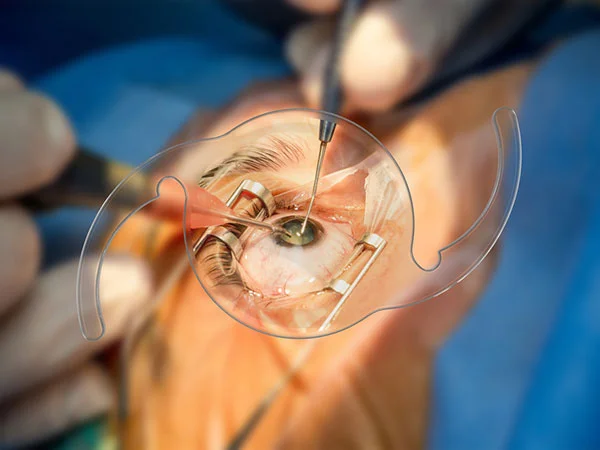
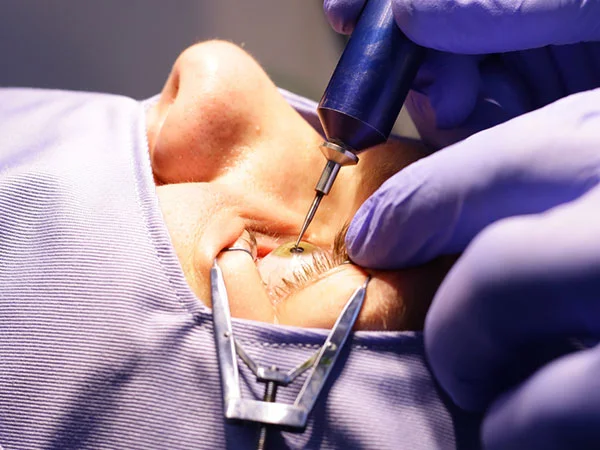
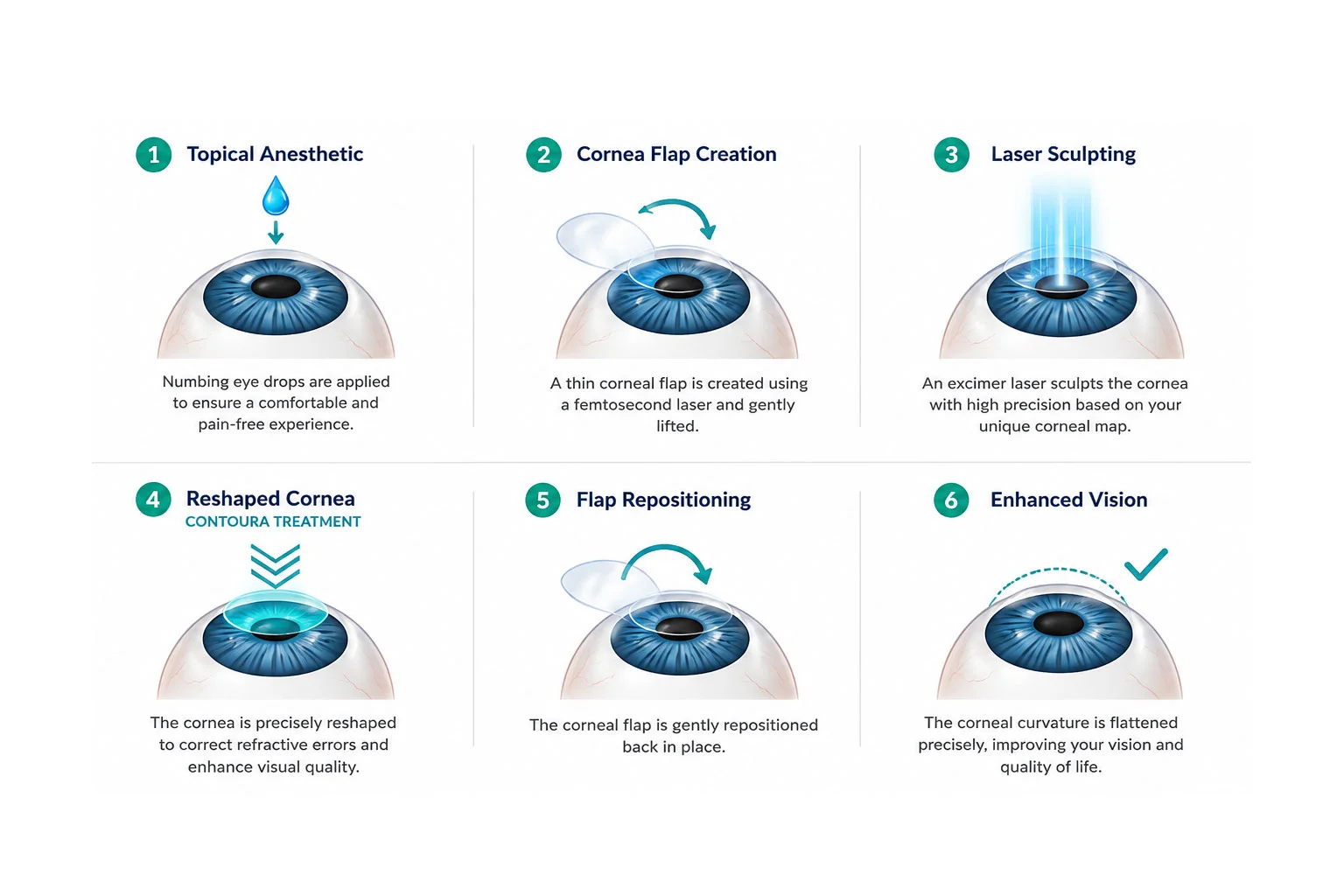
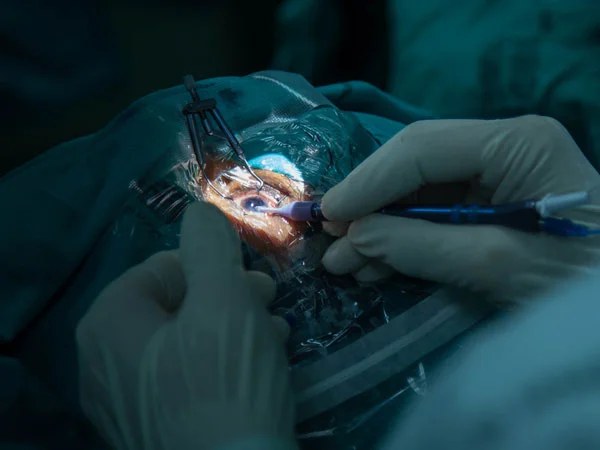
The procedure begins with a comprehensive eye examination and advanced corneal mapping to create a customized treatment profile. A femtosecond laser creates a thin corneal flap, which is gently lifted before an excimer laser precisely reshapes the underlying corneal tissue. The flap is then repositioned without stitches, where it naturally adheres during healing. The surgery typically takes 15–20 minutes for both eyes, is virtually painless with numbing eye drops, and most patients notice improved vision within 24 hours while resuming normal activities in one to two days.

Who Is an Ideal Candidate for Contoura Vision?

Contoura Vision is designed for individuals seeking highly personalized laser vision correction with improved visual quality beyond conventional LASIK. A comprehensive eye examination is essential to determine whether the procedure is suitable for your eyes and lifestyle.

  • Myopia (Nearsightedness): Ideal for patients with stable myopia who want to reduce or eliminate dependence on glasses or contact lenses.
  • Astigmatism: Suitable for individuals with astigmatism, including mild corneal irregularities that can benefit from topography-guided treatment.
  • Glare or Night Vision Problems: Recommended for patients experiencing glare, halos, or reduced visual quality, especially during night driving.
  • Stable Vision Prescription: Candidates should be at least 18 years old with a stable glasses or contact lens prescription for one year or more.
  • Healthy Corneas: Patients should have healthy corneas without active infections, severe dry eye, or progressive corneal diseases.
  • High Visual Demands: Well suited for individuals seeking premium visual quality for professional work, sports, or an active lifestyle.

Diagnostic Tests Before Contoura Vision Surgery

A comprehensive eye examination is essential before Contoura Vision surgery to determine whether you are a suitable candidate. These advanced diagnostic tests evaluate the health of your eyes, analyze the cornea in detail, and help create a highly personalized treatment plan for safe and precise vision correction.

  • Corneal Topography: Maps more than 22,000 points on the cornea to identify its shape, curvature, and subtle irregularities for customized laser treatment.
  • Wavefront Analysis: Detects higher-order optical aberrations that cannot be corrected with glasses, helping improve overall visual quality.
  • Pachymetry: Measures corneal thickness to ensure there is sufficient tissue for safe laser correction.
  • Refraction Test: Determines the exact degree of myopia, hyperopia, or astigmatism to calculate the required correction.
  • Pupil Size Measurement: Evaluates pupil size under dim lighting to assess the risk of glare, halos, or night vision disturbances.
  • Dry Eye Assessment: Examines tear film quality and quantity to identify and treat dry eye before surgery.
  • Slit-Lamp Examination: Provides a detailed evaluation of the cornea, lens, iris, and other front-eye structures to rule out abnormalities.
Pre-Contoura Vision Evaluation Summary
Diagnostic Test Purpose
Corneal Topography Create a detailed corneal map for personalized treatment planning.
Wavefront Analysis Detect higher-order aberrations affecting visual quality.
Pachymetry Measure corneal thickness for treatment safety.
Refraction Test Determine the exact refractive error requiring correction.
Pupil Size Measurement Assess the risk of glare and night vision problems.
Dry Eye Assessment Evaluate tear film health before surgery.
Slit-Lamp Examination Examine the overall health of the front structures of the eye.

Who Should Avoid Contoura Vision?

Although Contoura Vision is an advanced and highly effective laser vision correction procedure, it may not be suitable for everyone. Certain eye conditions and medical factors can increase the risk of complications or reduce the effectiveness of the treatment. A comprehensive eye examination is essential to determine your eligibility.

Condition Why It May Not Be Suitable
Thin Corneas Insufficient corneal thickness may not allow safe laser reshaping.
Unstable Vision Prescription Changing refractive error can affect long-term treatment results.
Active Eye Infection or Inflammation Eye infections should be completely treated before surgery.
Corneal Diseases or Scarring Corneal abnormalities may interfere with laser accuracy and healing.
Severe Dry Eye Syndrome Dry eyes may worsen after surgery and delay recovery.
Autoimmune Disorders Conditions affecting wound healing can increase the risk of complications.
Pregnancy or Breastfeeding Hormonal changes may temporarily alter vision and corneal measurements.

Patients with any of these conditions should consult an experienced ophthalmologist to determine the safest and most effective vision correction option.

How is Contoura Vision Surgery Performed?

Contoura Vision is a highly advanced topography-guided laser procedure that delivers customized vision correction using detailed corneal mapping. The entire surgery is blade-free, minimally invasive, and usually takes 15–20 minutes for both eyes. Most patients experience little to no discomfort and notice improved vision within 24–48 hours.

Step 1: Eye Preparation
  • Numbing eye drops are applied to ensure a comfortable procedure.
  • A lid speculum gently keeps the eyelids open.
  • The patient focuses on a fixation light for accurate laser alignment.
Step 2: Corneal Flap Creation
  • A femtosecond laser creates an ultra-thin corneal flap with exceptional precision.
  • The flap is gently lifted to expose the underlying corneal tissue.
  • No mechanical blade is used, improving safety and accuracy.
Step 3: Topography-Guided Laser Correction
  • An excimer laser reshapes the cornea using data from more than 22,000 mapped corneal points.
  • Refractive errors and subtle corneal irregularities are corrected simultaneously.
  • This enhances visual sharpness, contrast sensitivity, and overall vision quality.
Step 4: Flap Repositioning & Recovery
  • The corneal flap is carefully repositioned without stitches.
  • Protective eye drops are administered to support healing.
  • Patients can usually return home shortly after the procedure.
Procedure Summary
Step Purpose
Eye Preparation Numbing drops, eyelid support, and laser alignment.
Corneal Flap Creation Laser creates a precise, blade-free corneal flap.
Laser Reshaping Topography-guided excimer laser corrects vision and corneal irregularities.
Flap Repositioning Flap is replaced naturally without stitches for rapid healing.

Most patients notice significantly clearer vision within one to two days, with vision continuing to stabilize over the following weeks.

Benefits of Contoura Vision Eye Surgery

Contoura Vision offers one of the most advanced forms of laser vision correction by combining topography-guided technology with highly personalized treatment planning. In addition to correcting refractive errors, it addresses subtle corneal irregularities to deliver sharper, clearer, and more natural vision.

  • Sharper Visual Acuity: Many patients achieve vision equal to or better than 20/20 with improved clarity and definition.
  • Personalized Treatment: Every procedure is customized using detailed corneal mapping unique to each eye.
  • Reduced Glare and Halos: Advanced correction minimizes night vision disturbances such as glare, halos, and starbursts.
  • Improved Contrast Sensitivity: Enhances the ability to distinguish fine details, particularly in low-light conditions.
  • Faster Visual Recovery: Most patients notice significant improvement within 24–48 hours and return to routine activities quickly.
  • Greater Precision: Removes only the required amount of corneal tissue for highly accurate vision correction.
  • Long-Term Stable Results: Delivers predictable, lasting outcomes when combined with stable vision and healthy eyes.
  • FDA-Approved Technology: Uses clinically proven, topography-guided laser technology with an excellent safety record.
Benefits at a Glance
Benefit Advantage
Visual Quality Sharper, clearer vision with improved contrast sensitivity.
Customization Treatment based on over 22,000 corneal mapping points.
Night Vision Reduced glare, halos, and starbursts.
Recovery Rapid healing with quick return to normal activities.
Safety Advanced FDA-approved laser technology with high precision.
Long-Term Results Stable vision with predictable and lasting outcomes.

Recovery After Contoura Vision Surgery

Recovery after Contoura Vision is usually quick and comfortable. Most patients notice improved vision within the first 24 hours, while complete visual stabilization occurs over the following weeks. Following your ophthalmologist’s instructions carefully helps ensure smooth healing and the best long-term results.

What to Expect After Surgery
  • Temporary Blurred Vision: Mild blurriness or hazy vision during the first few hours is normal and improves quickly.
  • Mild Discomfort: Slight burning, watering, or a gritty sensation may occur and usually settles within a day.
  • Light Sensitivity: Eyes may be sensitive to bright lights for a short period. Wearing sunglasses outdoors is recommended.
  • Increased Tearing: Temporary watering is part of the normal healing process.
  • Rest Your Eyes: Avoid prolonged screen time, reading, or strenuous activities during the first day.
Recovery Timeline
Time After Surgery Expected Recovery
1–2 Hours Mild blurring, watering, and slight irritation.
First 24 Hours Noticeable improvement in vision with reduced discomfort.
2–3 Days Comfortable vision for most daily activities.
1 Week Vision continues to stabilize with minimal symptoms.
1 Month Most patients achieve stable, clear vision.
Recovery Tips
  • Use all prescribed eye drops exactly as directed.
  • Avoid rubbing or touching your eyes.
  • Wear protective sunglasses when outdoors.
  • Avoid swimming, dusty environments, and eye makeup for at least one week.
  • Attend all scheduled follow-up appointments.

Risks & Side Effects of Contoura Vision Surgery

Contoura Vision is considered one of the safest and most advanced laser vision correction procedures. However, like any surgical treatment, it carries a small risk of temporary side effects and rare complications. Most symptoms are mild, improve during the healing process, and are effectively managed with prescribed medications and follow-up care.

Common Temporary Side Effects
  • Dry Eyes: Temporary dryness or a gritty sensation is common during the first few weeks and usually improves with lubricating eye drops.
  • Glare & Halos: Some patients notice halos, glare, or starbursts around lights at night, which gradually reduce as the eyes heal.
  • Fluctuating Vision: Vision may vary slightly during the initial healing period before stabilizing.
  • Light Sensitivity: Increased sensitivity to bright light is common for a few days after surgery.
  • Red Spots on the Eye: Small blood spots caused by the suction ring are harmless and usually disappear within two weeks.
Rare Complications
Complication Description
Infection Very uncommon but requires immediate treatment if pain, discharge, or worsening vision develops.
Corneal Haze Temporary cloudiness of the cornea that may require additional monitoring or treatment.
Overcorrection / Undercorrection Rarely, additional enhancement may be required if the desired vision is not fully achieved.
Persistent Dry Eye A small percentage of patients may experience longer-lasting dry eye symptoms.
Night Vision Disturbances Persistent glare or halos are uncommon and usually improve over time.

Following postoperative instructions, using prescribed eye drops, and attending scheduled follow-up visits significantly reduce the risk of complications and support optimal visual outcomes.

Post-Surgery Care After Contoura Vision

Following your ophthalmologist’s instructions after Contoura Vision surgery is essential for smooth healing and achieving the best possible visual outcome. Most patients recover quickly, but proper eye care during the first few weeks helps minimize discomfort and reduces the risk of complications.

  • Avoid Rubbing Your Eyes: Do not touch or rub your eyes during the healing period to protect the corneal flap.
  • Use Prescribed Eye Drops: Continue all antibiotic and lubricating eye drops exactly as instructed.
  • Protect Your Eyes: Wear UV-protective sunglasses outdoors and avoid dusty or smoky environments.
  • Avoid Eye Makeup: Refrain from using eye makeup, creams, or lotions around the eyes for at least one week.
  • Limit Water Exposure: Avoid swimming pools, hot tubs, and direct water contact with the eyes during the initial recovery period.
  • Reduce Screen Time: Give your eyes adequate rest and gradually return to prolonged digital device usage.
  • Attend Follow-Up Visits: Regular postoperative check-ups allow your ophthalmologist to monitor healing and visual recovery.

When to Contact Your Ophthalmologist

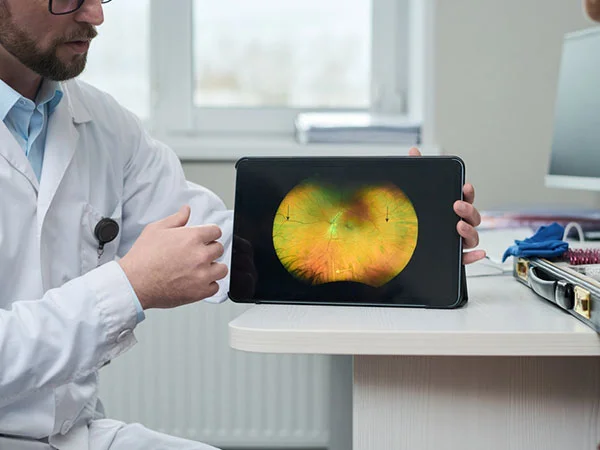
Although most patients recover without complications, seek immediate medical attention if you experience any of the following symptoms after surgery:
  • Severe Eye Pain: Persistent or worsening pain that is not relieved with prescribed medication.
  • Sudden Vision Loss: Rapid decrease in vision or significant blurring after initial improvement.
  • Persistent Redness: Increasing redness, swelling, or excessive irritation.
  • Eye Discharge: Yellow, green, or excessive discharge that may indicate infection.
  • Light Flashes or New Floaters: Sudden flashes of light or a large increase in floaters should be evaluated promptly.

Frequently Asked Questions

Is Contoura Vision surgery permanent?
Yes. Contoura Vision permanently reshapes the cornea to correct refractive errors such as myopia, hyperopia, and astigmatism. However, it does not prevent natural age-related vision changes like presbyopia or cataracts that may develop later in life.
Yes. In most cases, Contoura Vision is performed on both eyes during the same session. The procedure usually takes about 15–20 minutes for both eyes, allowing faster recovery and visual rehabilitation.
Contact lenses should be discontinued before your pre-operative evaluation because they can temporarily alter the shape of the cornea. Your ophthalmologist will advise how many days or weeks to stop wearing soft or rigid contact lenses before surgery.
Your eyelids are gently held open using a small instrument, and modern laser systems include advanced eye-tracking technology that follows natural eye movements. This ensures precise laser treatment and maintains safety throughout the procedure.
Most patients achieve long-lasting vision correction with a single procedure. In rare cases, an enhancement may be recommended if the prescription changes or the desired correction is not fully achieved. Your ophthalmologist will determine whether additional treatment is necessary.
Many patients experience improved night vision with reduced glare and halos because Contoura Vision corrects subtle corneal irregularities. While satisfaction rates are very high, visual outcomes depend on individual eye conditions. Regular follow-up appointments allow your ophthalmologist to monitor healing, and if required, enhancement options may be discussed after vision has completely stabilized.
Book FREE, Doctor Appointment
Schedule your appointment with our experienced eye specialists. Our team will contact you shortly to confirm your visit.
Treatment Information

Ready to Protect Your Vision?

Schedule a consultation with our experienced ophthalmologists and receive personalized care tailored to your vision needs.
OTHER SERVICES

Comprehensive Eye Care

Specialized retina care for diabetic eye disease, retinal tears, macular disorders, and other sight-threatening conditions using advanced diagnostic technology.
Restore clear vision with advanced Phaco cataract surgery using modern techniques, premium intraocular lenses, and faster recovery at Retiora Eye Care.
Restore brighter, clearer vision through advanced cataract surgery using modern microsurgical techniques and premium intraocular lens implantation for lasting results.
PRK
PRK (Photorefractive Keratectomy) laser eye surgery provides effective vision correction for patients with thin corneas
Book Your Free Eye Consultation

Schedule an Appointment

Take the first step towards clearer vision. Fill out the form below, and our team will contact you to confirm your appointment.