Types of Glaucoma Treatment
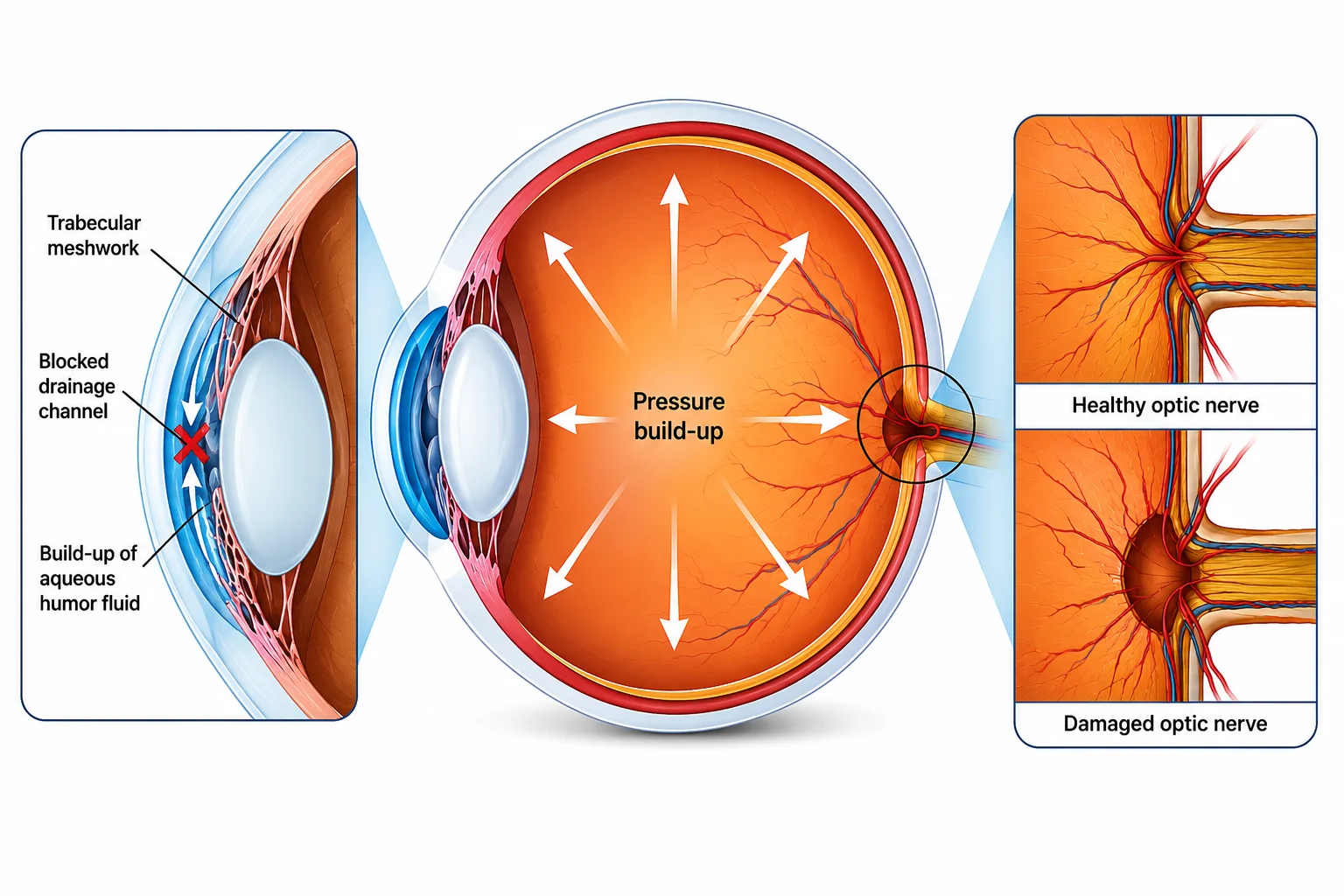
Glaucoma treatment focuses on lowering intraocular pressure (IOP) to protect the optic nerve and slow the progression of vision loss. Depending on the type and severity of glaucoma, your ophthalmologist may recommend one or a combination of the following treatment options.
Prescription Eye Drops
Eye drops are often the first line of treatment for glaucoma. They help reduce eye pressure by either decreasing the production of fluid inside the eye or improving its natural drainage.
Laser Therapy
Laser treatments such as Selective Laser Trabeculoplasty (SLT) are minimally invasive procedures that improve fluid drainage, helping to lower eye pressure and reduce the risk of optic nerve damage.
Glaucoma Surgery
When medications and laser therapy are not enough to control glaucoma, surgical procedures such as Trabeculectomy, Glaucoma Drainage Devices, or Minimally Invasive Glaucoma Surgery (MIGS) may be recommended to create a new drainage pathway and effectively manage eye pressure.
Glaucoma Treatment Procedure
The treatment approach for glaucoma depends on the type, severity, and overall eye health of the patient. The primary goal is to reduce intraocular pressure (IOP) and protect the optic nerve from further damage.
Before Treatment
- Comprehensive eye examination and glaucoma evaluation.
- Measurement of intraocular pressure (IOP).
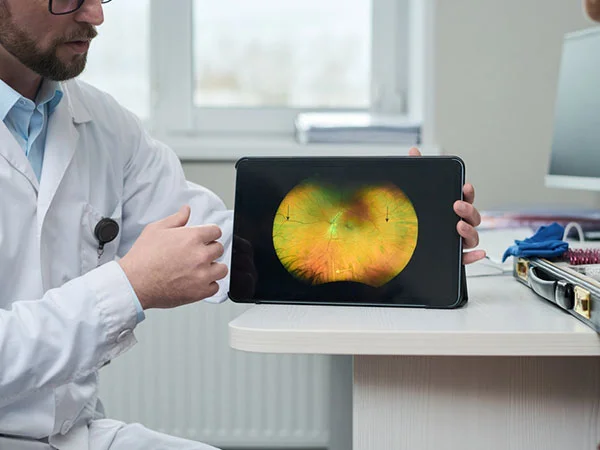
- Optic nerve and visual field assessment.
- Prescription of eye drops or medications, if required.
- Discussion of the most suitable treatment option.
During Treatment
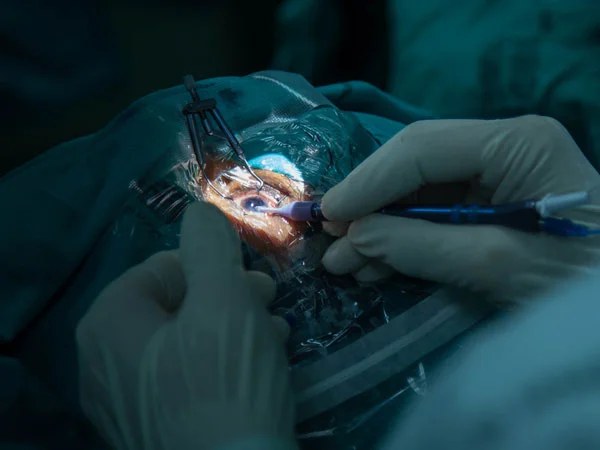
Depending on the stage of glaucoma, treatment may involve laser therapy or surgery. Procedures are performed under local or general anesthesia to ensure patient comfort.
- Laser Treatment: Procedures such as Selective Laser Trabeculoplasty (SLT) or Laser Peripheral Iridotomy (LPI) improve fluid drainage and help lower eye pressure.
- Surgical Treatment: Advanced procedures including Trabeculectomy, Glaucoma Drainage Devices, or Minimally Invasive Glaucoma Surgery (MIGS) create new drainage pathways to effectively control intraocular pressure.
After Treatment
- Use prescribed eye drops to prevent infection and reduce inflammation.
- Attend scheduled follow-up visits to monitor healing and eye pressure.
- Follow postoperative care instructions provided by your ophthalmologist.
Who is the Right Candidate for Glaucoma Treatment?
Glaucoma treatment is recommended for individuals who have elevated eye pressure, optic nerve damage, or other signs that increase the risk of permanent vision loss. Early treatment can help slow disease progression and preserve eyesight.
You May Be a Suitable Candidate If You Have:
- Elevated intraocular pressure (IOP).
- Evidence of optic nerve damage.
- Loss of peripheral vision or visual field defects.
- A thin cornea that increases glaucoma risk.
- A narrow or closed drainage angle.
- A family history of glaucoma or other significant risk factors.
A comprehensive eye examination by a glaucoma specialist is essential to determine the most appropriate treatment plan. Regular eye check-ups help detect glaucoma early, allowing timely intervention to protect your vision.
Benefits of Glaucoma Treatment
Early and appropriate glaucoma treatment helps protect the optic nerve, preserve vision, and reduce the risk of permanent blindness. Timely intervention can significantly improve long-term eye health and quality of life.
- Slows Disease Progression: Lowers intraocular pressure (IOP) to help prevent further optic nerve damage.
- Preserves Vision: Protects remaining eyesight and reduces the risk of irreversible vision loss.
- Reduces the Risk of Blindness: Early diagnosis and treatment greatly decrease the likelihood of severe vision impairment.
- Improves Quality of Life: Helps patients maintain independence and continue daily activities with better visual function.
- Long-Term Eye Pressure Control: Modern medications, laser therapy, and surgical procedures can effectively manage glaucoma over the long term.
How to Prepare for Glaucoma Treatment
Proper preparation helps ensure a safe procedure and a smooth recovery. Your ophthalmologist will provide personalized instructions based on the type of glaucoma treatment recommended.
- Inform your doctor about all medications and medical conditions.
- Follow instructions regarding blood thinners or other medications.
- Use prescribed eye drops before the procedure, if advised.
- Avoid eating or drinking before surgery when instructed.
- Arrange transportation to and from the hospital.
- Prepare your home with essential supplies for a comfortable recovery.
Recovery After Glaucoma Treatment
Most patients recover well after glaucoma treatment by following their surgeon’s instructions and attending regular follow-up visits.
- Avoid heavy lifting, bending, and strenuous activities during the initial recovery period.
- Use all prescribed eye drops exactly as directed.
- Keep the treated eye clean and avoid rubbing or touching it.
- Wear a protective eye shield if recommended by your doctor.
- Attend all scheduled follow-up appointments to monitor healing and eye pressure.
- Seek immediate medical attention if you experience severe pain, redness, discharge, or sudden vision changes.
- Avoid driving until your ophthalmologist confirms it is safe.
Risks & Complications of Glaucoma Treatment
Glaucoma treatments are generally safe and effective. However, as with any medical or surgical procedure, certain risks and complications may occur, although they are uncommon.
- Eye infection or inflammation.
- Temporary blurred vision or eye discomfort.
- Bleeding inside the eye.
- Changes in intraocular pressure.
- Cataract development after certain surgical procedures.
- Scarring or blockage of the surgical drainage pathway.
- Side effects related to glaucoma medications.
- Need for additional treatment or surgery in some cases.
Regular follow-up examinations help detect and manage any complications early, ensuring the best possible long-term outcome.